Meme coin trading versus holding blue chips which suits a fast Solana market better
You can order the same kind of articles for your own video to boost it on YouTube and Google. Just message the Telegram bot @sat_sit_bot. Articles with your video embedded are written and posted by the bot itself — on popular topical sites (no ads). Your first 50 articles are free.
· based on the channel Ethan Prosper
Key takeaways
- A single session on Ethan Prosper's channel produced 350+ SOL across a handful of Solana meme coin trades, including a +200 SOL start on two early positions.
- Top traders run dedicated terminals (Padre, Axiom) rather than a standard exchange UI, because speed of execution decides the fill on new pairs.
- Position sizing is done in SOL, not dollars: 1% of a bankroll, 10–20 SOL clips and full-port calls are three different risk profiles.
- Dev-wallet behaviour and holder concentration are the first filters before any ape; a coin with a live dev sell is a skip, not a dip.
- Most retail losses come from copying large accounts at the top of a candle, not from picking the wrong chain.
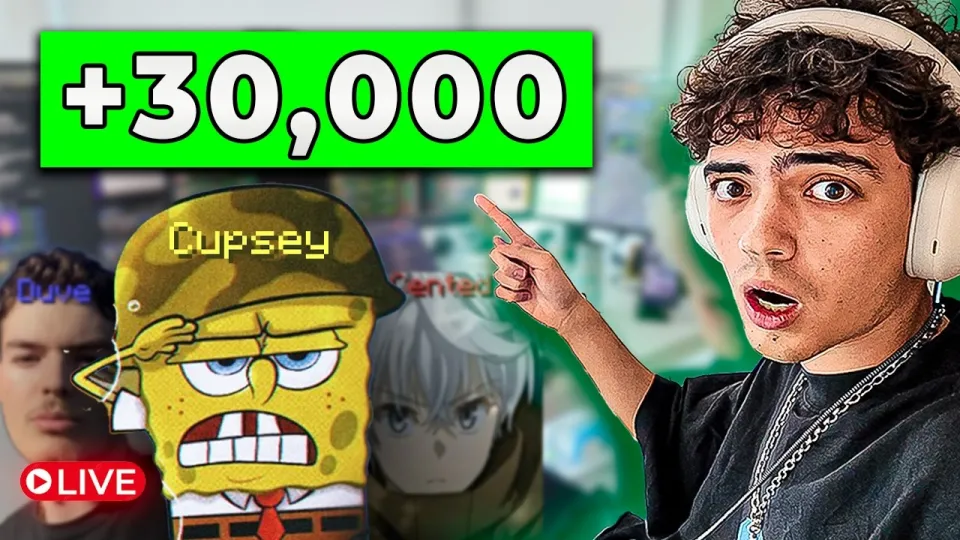
A meme coin is a token whose price is driven almost entirely by attention, liquidity and timing rather than cash flow, so the better approach for most people is small, rules-based trading on Solana launchpads instead of long-term holding. The traders who consistently extract money from this market treat it as a speed game with hard risk limits, not as an investment thesis. Ethan Prosper's session with a top-ranked meme coin trader, streamed on his channel, shows the mechanics: a trading terminal registration via Padre for fast execution, positions sized in SOL, and exits decided before the chart prints.
What a meme coin actually is and why Solana hosts most of them
A meme coin has no product roadmap requirement to survive; its value comes from a community, a ticker and the liquidity that market makers and snipers provide in the first minutes. On Solana, the pump.fun style launch model made creation nearly free, so thousands of tokens appear daily and only a thin slice keeps trading volume after the first hour. That structure creates the core trade-off: the earliest entries carry the largest upside and the highest chance of a zero, while later entries carry less upside and more exit-liquidity risk. Ethereum and Base have their own meme cycles, but Solana's low fees and sub-second finality keep the fastest rotation there.
How the top traders actually operate
The headline number from the session was a 350+ SOL run, opened by roughly 200 SOL on two early positions, and it came from process rather than a single lucky call. The pattern visible in that style of live trading looks like this:
- Screen new pairs by volume velocity, unique holders and social traction within the first minutes.
- Check the dev wallet and the top holders for bundles, insider clusters or a history of serial rugs.
- Enter with a defined clip size, usually a fixed fraction of the bankroll, and set an invalidation level before the order fills.
- Scale out into strength — selling a portion on the first vertical candle and letting a runner ride.
- Cut immediately when the thesis breaks, without averaging down into a dead chart.
Execution speed matters because a new pair can move 40% while a wallet confirmation is pending, which is why dedicated terminals and priority fees exist. Copy-trading tools add another layer: they mirror a wallet's buys automatically, but they also mirror its exits with delay, and that delay is where most followers lose money.
Position sizing in SOL and the real risk of a 10-hour screen day
The traders who post four-figure SOL sessions are running a full-time operation with 10+ hour screen days, multi-wallet setups and pre-funded gas, and that context is missing from the profit screenshots. A realistic retail version uses a bankroll split into 20 or more clips, so a single loss costs 2–5% and a full zero on one token never threatens the account. Sizing in SOL rather than dollars keeps decisions consistent when the SOL price moves. The uncomfortable part is behavioural: the same accounts that post wins also take losses they do not publish, and copying their entries after the candle has already run turns their edge into your exit liquidity. Trading larger, more liquid tokens or simply holding SOL and BTC through the cycle is a legitimate alternative that requires no screen time.
Reading dev wallets, bundles and holder concentration
Holder concentration is the fastest filter available: if the top 10 wallets control a large share of supply and several of them were funded from the same source, the chart is a distribution trap. A dev wallet that has already sold, or that holds a hidden allocation through side wallets, removes any reason to enter. Tools built into terminals surface deployer history, sniper counts and bundle detection in a few clicks. The rule that survives contact with the market is simple — if the token cannot be explained in one sentence and the top holders cannot be verified as separate humans, skip it and wait for the next launch.
Questions traders keep asking about this style
Speed trading is the most difficult style in crypto and it is not a prerequisite for profit. A common concern is that large accounts run multiple wallets to accumulate supply before retail arrives; that is real, and it is why bundle checks and holder age matter more than follower counts. Another recurring question is how much capital is needed to start: with Solana fees, a few SOL is enough to learn the mechanics, but the learning cost is usually the entire first bankroll, so treat it as tuition. Traders also ask what faucets and test wallets are for — they exist to rehearse transactions without risking real funds. Finally, the honest framing is that inspiration from a 350 SOL session should translate into a written checklist and a fixed clip size, not into a full-port entry on the next ticker someone posts.
Useful links
- Padre trading terminal — registration and execution
- Ethan Prosper's links and resources
- Cupsey on X
- SOLMAFIA Discord community
- Pastel paid research community
Final takeaway
The meme coin market rewards preparation and punishes improvisation: fixed clip sizes, dev-wallet checks and pre-planned exits matter more than any single call. The 350+ SOL session reviewed by Ethan Prosper is best read as a demonstration of process under time pressure, not as a template for copying entries. Anyone entering this market should start with a bankroll they can lose entirely, rehearse on small clips, and keep the majority of capital in liquid assets. For readers who want the same execution setup used in the video, registration through Padre takes a minute and puts the terminal in front of the chart.
Questions & answers
How much capital do you need to start trading meme coins on Solana?
A few SOL is technically enough because transaction fees are fractions of a cent, but the realistic figure is whatever you can lose completely while learning. Most beginners burn their first bankroll on mistakes like chasing candles, ignoring holder concentration or averaging down into a dead chart. Start with a clip size of 2–5% of the account and only increase it after a written process survives a few weeks.
Is copy trading top meme coin wallets a good strategy?
It can work as a starting point, but only with strict limits. Copy tools mirror a wallet's entries and exits with delay, so by the time your order fills the price may already be past the trader's target. Large accounts also run multiple wallets and rotate positions faster than a follower can react. Use copy trading to study behaviour, not as a substitute for your own exit rules.
What is the first check before buying a new pump.fun launch?
Check the dev wallet and the top holders. If the deployer has already sold, holds supply through side wallets, or the top 10 addresses were funded from the same source, the token is a distribution setup rather than an opportunity. Bundle detection and deployer history are built into most Solana terminals and take seconds to review.
Do you have to trade new pairs to make money in meme coins?
No. Speed trading new launches is the hardest version of this market and demands long screen days plus fast infrastructure. Trading established meme coins with deeper liquidity, or holding large caps through a cycle, produces smaller percentage moves with far less execution risk. The right choice depends on how much time you can realistically commit.
Source: I Traded With The World’s #1 Memecoin Trader · Markdown version